Clogged drains are one of the most common plumbing calls we get. Kitchen sinks, showers, floor drains, main lines. We've seen it all. And in most cases, the clog was completely preventable.
The good news is that keeping your drains clear doesn't take much effort. A few simple habits can save you from slow drains, foul odors, and costly emergency calls. Here are seven tips our team recommends to every homeowner.
1. Never Pour Grease Down the Kitchen Sink
This is the number one cause of kitchen drain clogs. Cooking oil, bacon grease, butter, and other fats may seem liquid when they're hot, but they cool and solidify inside your pipes. Over time, they build up into a thick, sticky blockage that traps food particles and narrows the pipe.
Instead, pour cooled grease into a container (an old jar or can works well) and throw it in the trash. Wipe greasy pans with a paper towel before washing them. It sounds simple, but this one habit prevents the majority of kitchen drain problems.
2. Use Drain Screens in Every Sink and Shower
A drain screen (also called a drain strainer or hair catcher) is a small mesh cover that sits over the drain opening. It catches hair, food scraps, soap chunks, and other debris before they enter your pipes.
They cost a few dollars at any hardware store and take seconds to install. Clean them out after each use and you'll prevent the buildup that causes most shower and bathroom sink clogs. For kitchen sinks, a basket strainer serves the same purpose.
3. Run Hot Water After Every Use
After using the kitchen sink, run hot water for 15 to 20 seconds. This helps flush any grease, soap, or food particles through the pipes before they have a chance to cool and stick to the pipe walls.
This is especially important after washing dishes by hand or running the garbage disposal. Hot water keeps things moving and reduces buildup over time.
4. Be Careful With Your Garbage Disposal
Garbage disposals are built to handle small food scraps, not entire meals. Things like coffee grounds, eggshells, pasta, rice, and fibrous vegetables (celery, artichokes, corn husks) can jam the blades or create sticky buildup in the drain line.
Always run cold water while using the disposal, and let the water run for 10 to 15 seconds after you turn it off. Feed food in gradually rather than dumping everything at once. And never put grease, bones, or fruit pits down the disposal.
5. Flush Your Drains Monthly With Boiling Water
Once a month, boil a pot of water and slowly pour it down each drain in your home. The heat helps dissolve and flush away soap scum, grease residue, and other organic buildup before it hardens into a clog.
Important note: Only do this with metal pipes. If you have PVC drain pipes (white plastic), use very hot tap water instead of boiling water, as extreme heat can soften PVC joints over time. If you're not sure what type of pipes you have, hot tap water is the safe choice.
6. Keep Trees and Roots in Check
If you have large trees near your sewer line, their roots can infiltrate pipe joints and cause serious blockages underground. Root intrusion is one of the most common causes of main sewer line clogs, especially in older homes with clay or cast iron pipes.
Signs of root problems include multiple slow drains at once, gurgling toilets, and sewage odors in the yard. If you have mature trees near your sewer line, consider having a plumber do a camera inspection every few years to catch root intrusion early, before it causes a backup.
7. Skip the Chemical Drain Cleaners
This one surprises a lot of homeowners. Store-bought chemical drain cleaners (like Drano or Liquid-Plumr) can actually do more harm than good. They use harsh chemicals that can corrode your pipes over time, especially if you use them repeatedly. They also don't fully clear the clog in many cases, leaving a partially dissolved blockage that returns within weeks.
If you have a slow drain, try a plunger first. For stubborn clogs, a plumber's snake or auger is far more effective and won't damage your pipes. And if you're dealing with recurring clogs, that's a sign of a deeper issue that needs professional diagnosis.
When to Call a Professional
Prevention goes a long way, but some clogs need professional equipment. Call a plumber if you're experiencing multiple slow drains at the same time (this points to a main line issue), recurring clogs in the same drain, sewage odors, or water backing up into other fixtures when you run the sink or flush the toilet.
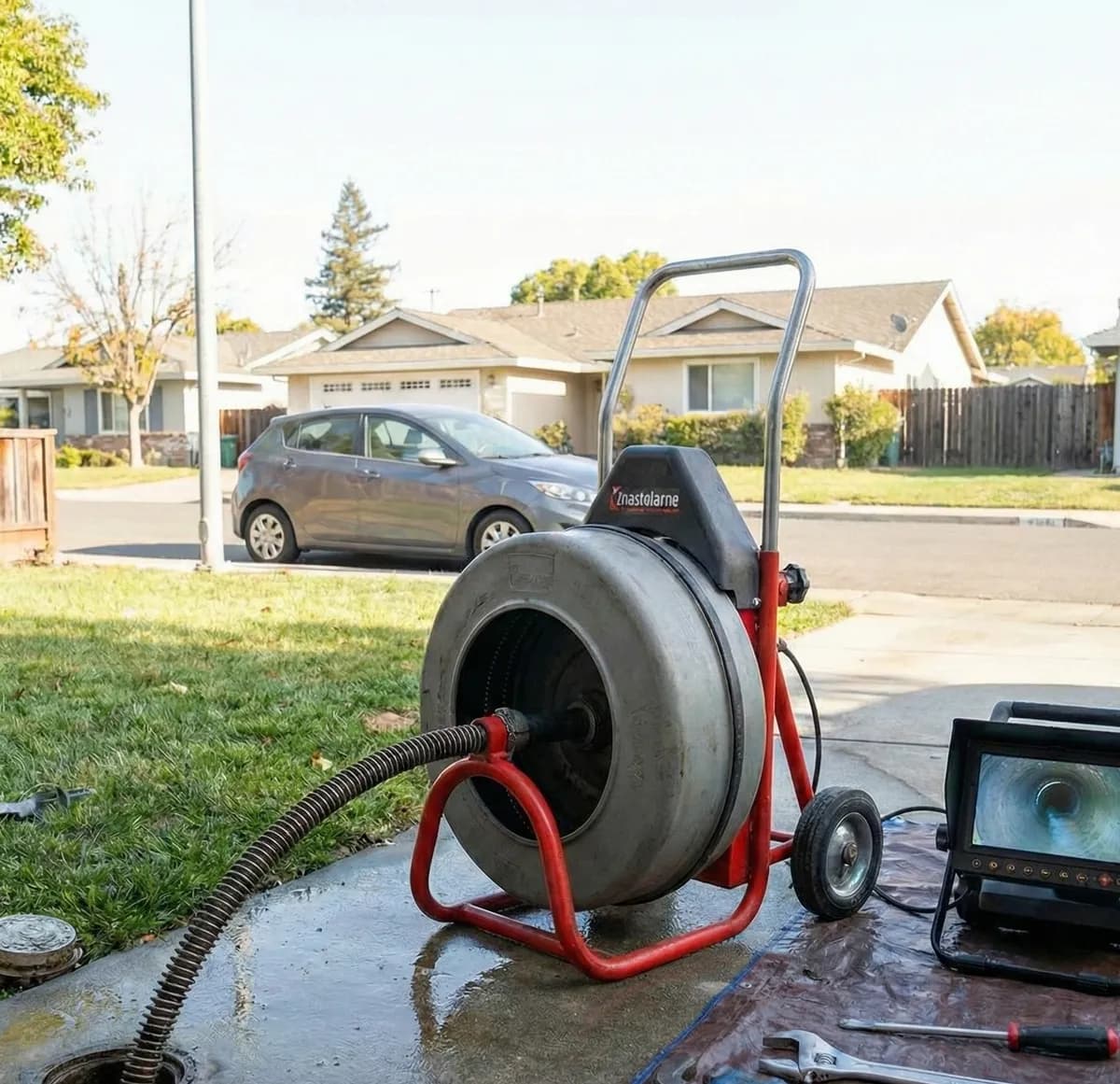
At Arcune Plumbing, we use commercial-grade cable snaking and HD video camera inspection to find and clear blockages at the source. Every drain cleaning includes a camera inspection at no extra charge so you know exactly what caused the problem and how to prevent it from happening again.
Call us at (650) 787-7061 or request a quote online. Same-day drain cleaning service is available for most calls.