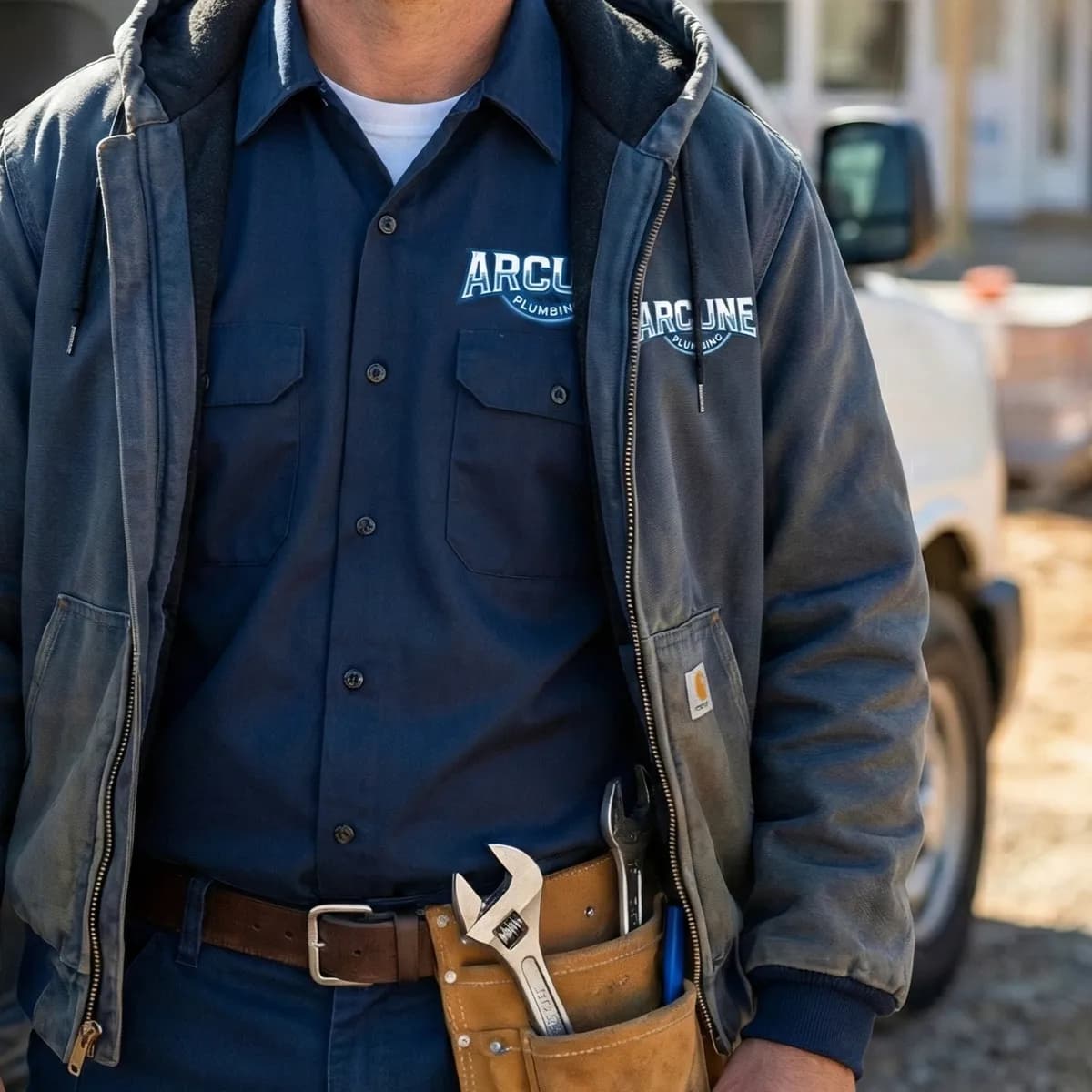
Plumbing emergencies do not announce themselves. A pipe bursts without warning. The toilet overflows and will not stop. You smell gas near the water heater. These situations are stressful, and the actions you take in the first few minutes make the difference between a manageable repair and serious damage to your home.
This guide covers the four most common plumbing emergencies South Bay homeowners face and what to do in each case before a licensed plumber arrives. Read through it now, before you need it.
Know Your Shutoffs Before an Emergency Happens
The single most important thing you can do before any emergency is locate your main water shutoff valve. For most homes in San Jose, Sunnyvale, Mountain View, and the surrounding cities, it is located near the front of the house at the meter box, or inside the home near the garage or utility closet.
Your main shutoff stops all water flow to the house. Turning it off in the first 60 seconds of a burst pipe or major leak can prevent thousands of dollars in water damage. Find it today, make sure it turns freely, and make sure everyone in your household knows where it is.
Individual fixture shutoffs are also worth knowing. Every toilet has a shutoff behind or below the tank. Every sink has shutoffs under the cabinet. The water heater has a shutoff on the cold supply line coming in. These let you isolate a problem without cutting water to the whole house.
Burst Pipe: Stop the Water First
If a pipe bursts, your priority is stopping the flow of water as fast as possible. Go directly to the nearest shutoff valve and turn it off. If the break is on a supply line to a specific fixture, use that fixture's shutoff. If you cannot find or reach the local shutoff, go to the main and shut off the whole house.
Once the water is off, open a cold water faucet on the lowest level of the house to drain any remaining water in the supply lines. This reduces the pressure and slows any residual flow from the broken section.
Move furniture, rugs, and valuables out of the affected area. Use towels, mops, or a wet-dry vacuum to remove standing water. Standing water that sits for more than 24 hours causes mold, so the faster you remove it, the better. Take photos and video of the damage before you clean up. Your homeowner's insurance will need documentation.
Do not attempt to repair a burst pipe yourself with tape or clamp patches and assume it is fixed. These are temporary measures at best. A licensed plumber needs to cut out the damaged section and install proper fittings to make a permanent repair.
Sewage Backup: Stop Using All Drains Immediately
If sewage is backing up into your tub, shower, or floor drains, you have a blockage in your main sewer line. The worst thing you can do is keep using water. Every flush, every faucet, every appliance adds more water and waste behind the blockage, pushing it further into your home.
Stop using all fixtures immediately. Do not flush toilets, run the dishwasher, use the washing machine, or run any faucet. The blockage will not clear on its own, and adding more flow makes the backup worse.
Raw sewage is a health hazard. Do not walk through it barefoot or handle it without gloves. If the backup is significant, keep children and pets out of the affected area. Open windows for ventilation. Call a plumber who handles emergency sewer calls, because this is not a job for chemical drain cleaners or a standard plunger.
In older neighborhoods of San Jose, Campbell, Santa Clara, and Milpitas, main line sewer backups are frequently caused by tree root intrusion into aging clay pipes. A plumber with a sewer camera can diagnose the blockage location and cause within minutes of arriving.
Gas Leak: Evacuate First, Everything Else Second
If you smell gas, do not try to find the leak. Do not flip any light switches, use your phone inside the house, run any appliances, or light anything. A single spark can ignite accumulated gas. Your only job is to get everyone out of the house immediately.
Leave the front door open as you exit to ventilate the space. Once you are outside and at a safe distance, call PG&E at 1-800-743-5000 to report the gas leak. They have 24-hour emergency response and will dispatch a technician to shut off the gas at the meter and assess the situation at no charge.
Only return to the house when PG&E has confirmed it is safe. Once the gas is shut off and the leak is located, a licensed plumber (not a handyman, and not yourself) needs to make the gas line repair and get it inspected before PG&E restores service. Gas line work in California requires a licensed contractor.
Flooding From an Appliance or Water Heater
Water heater failures, washing machine hose blowouts, and refrigerator line breaks are among the most common sources of sudden flooding inside South Bay homes. In each case, shut off the water supply to the specific appliance first. The water heater has a cold supply shutoff on the inlet pipe. The washing machine has two hose bibbs behind it (hot and cold). The refrigerator ice maker has a saddle valve on the nearest cold line.
If you cannot shut off the appliance supply, shut off the main. Then unplug or power off any electrical appliances near standing water. Water and live electricity are a dangerous combination, and circuit breaker panels in flooded areas should be shut off from a dry location if possible.
Once water flow is stopped, call your insurance company to start a claim, then call a plumber for the repair. If the flooding is significant, a water damage restoration company should also be called. They have commercial drying equipment that prevents mold in walls and subfloors that look dry but are not.
Overflowing Toilet: A Common Panic That Is Usually Manageable
An overflowing toilet is one of the most common emergency calls we receive, and it is one of the most manageable if you act quickly. The moment a toilet starts to overflow, reach behind the toilet and turn the shutoff valve clockwise until it stops. This cuts water to the toilet without affecting the rest of the house.
If you cannot reach the shutoff or it is stuck, remove the tank lid and push the flapper down manually to stop water from entering the bowl. Then lift the float ball or float cup to stop the fill valve from running.
Most toilet overflows are caused by a blockage in the toilet trap or drain line. A plunger with a flange (not a flat-bottomed plunger) creates a proper seal and can clear most toilet clogs. If plunging does not clear it, or if multiple fixtures are backing up, call a plumber. Do not use chemical drain cleaners in a toilet.
Call Arcune Plumbing for Emergency Service
Arcune Plumbing provides emergency plumbing service throughout San Jose, Santa Clara, Sunnyvale, Mountain View, Cupertino, Campbell, Los Altos, Palo Alto, Milpitas, and Portola Valley. When something goes wrong, you need a licensed plumber who answers the phone, responds quickly, and gives you honest information about what needs to be done.
We are a licensed California plumbing contractor (CA LIC #779298) and we handle everything from burst pipes and sewer backups to water heater failures and gas line repairs. We provide upfront pricing before we start any work.
Save our number now: (650) 787-7061. Having it ready before an emergency is the single most useful thing you can do for your household today.